
Rodent Exclusion and Sealing in Terre Haute, IN
Rodent exclusion and sealing in Terre Haute, IN: entry points sealed in steel and flashing. Written quote first.
- Steel Mesh and Flashing
- Whole-Line Check
- Sealed List in Writing
- Available 24/7
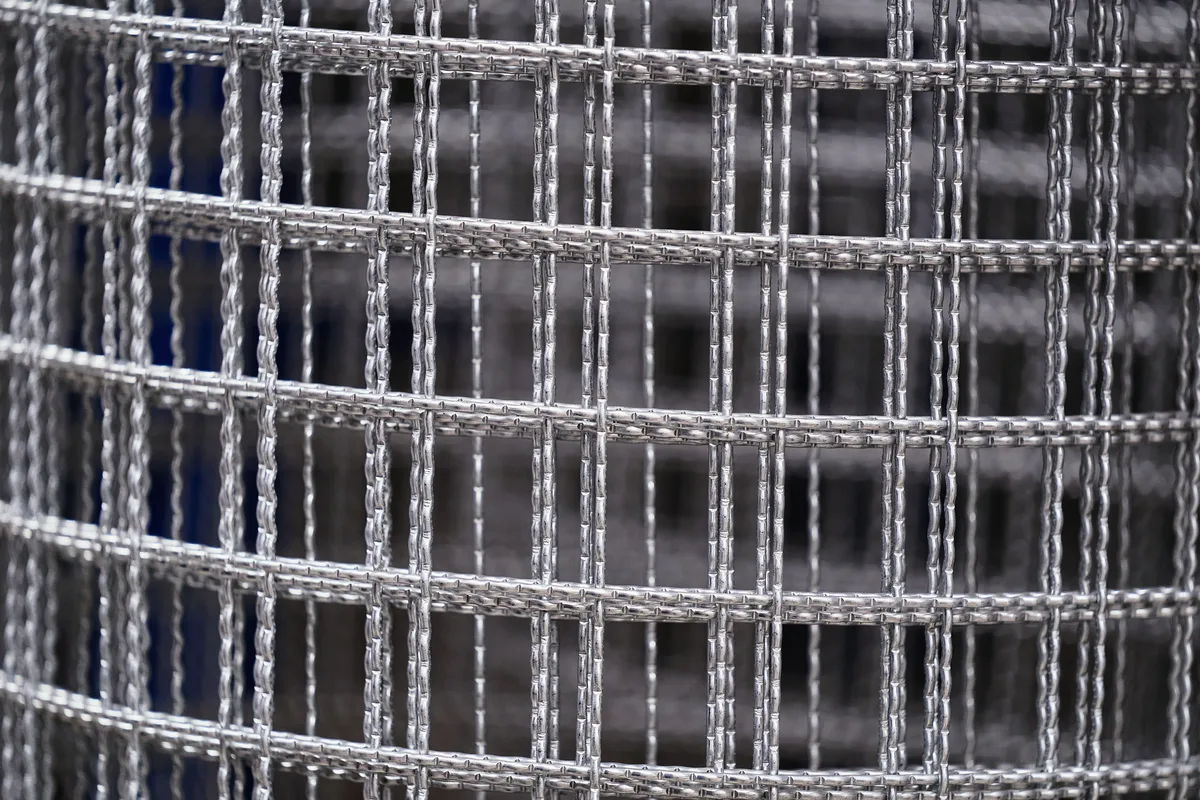
Exclusion is the half of rodent work that makes the other half permanent. It is a building discipline, not a pest one: a methodical walk of the whole structure, foundation line, pipe and cable entries, vents, door sweeps, siding gaps, the roofline and the chimney, finding every opening a rodent can use, down to a quarter inch for mice.
Each opening is then closed with the material that fits it: galvanized steel mesh over vents, copper mesh packed into pipe gaps, metal flashing at the roofline, concrete at foundation cracks, and sealants used as finish, never as the structure. Expanding foam alone is not exclusion; rodents chew it for nesting material. The quote lists every point sealed, so the work can be checked afterwards.
Terre Haute's housing stock runs from downtown brick streets near the courthouse and the Indiana Theatre to ranch homes in Collett Park and newer builds off the Honey Creek side, and rodent exclusion and sealing in Terre Haute has to fit the house it lands in. The professional who takes your call works these streets weekly and reads the house as it actually is: foundations of every age, vents and pipe entries fitted by different hands across the decades, and garages and crawl spaces where rodents travel unseen.
Where Rodents Usually Get In
- Gaps where pipes, cables and gas lines enter the house
- Vents with broken, missing or rusted screens
- The corners of garage doors and worn door sweeps
- Foundation cracks and gaps where siding meets the base
- Roofline gaps at soffits, eaves and the chimney joint
How Exclusion Work Runs
The professional walks the whole structure with the gap measure in hand, marks every entry point, and quotes the sealing in writing. On approval each point is closed in its proper material, and you receive the list of what was sealed and where.
- Walk the whole line. Foundation, vents, entries, roofline and chimney checked to a quarter inch.
- Mark every point. Each gap photographed or listed, so the quote names them one by one.
- Quote in writing. The sealing work and materials, priced line by line.
- Seal in steel and copper. Mesh, flashing and concrete fitted; foam never used as the barrier.
- Hand over the list. Every sealed point recorded, so the work stands up to inspection later.
The visit for {kw} starts with the evidence: the droppings, rub marks and gnawing inside, the attic and crawl space checked for nesting and runs, and the foundation line outside walked for entry points. Anything hidden that could change the job, a second colony, insulation ruined along a run, a gap behind a meter base, is flagged there, before a price exists.
You then get a written quote for {kw}: the entry points, the removal plan, the sealing work and the price, set out line by line. Work starts only when you approve that quote, and the professional you spoke to on the phone is the professional who runs the job.
What Rodent Exclusion Costs in Terre Haute
Exclusion prices by the number and kind of openings. A house with three pipe gaps and a vent is a short list; an older Terre Haute house with a settled foundation, a tired roofline and a garage gap is a longer one. The written quote prices the list you are shown, which is why the walk comes before the number.
Keeping the Seal Intact
A sealed house stays sealed if the seals are looked at once a year, ideally in early fall before the cold drives rodents to test them. Door sweeps wear, vents get knocked, and new cable installations cut new holes. The sealed list from the job is the checklist for that walk.
Rodent Exclusion and Sealing Questions
Can I just seal the gaps with expanding foam?
Foam alone will not hold. Mice and rats chew through it easily and use it as nesting material. Foam can finish a seal cosmetically, but the barrier has to be steel mesh, copper mesh, flashing or concrete, something teeth cannot beat.
Do you seal the roofline as well as the foundation?
Yes. Rats climb well and mice use vines, wires and rough brick to reach the eaves. Soffit gaps, lifted flashing and the chimney joint are checked and sealed as part of the same walk, because a foundation-only seal leaves the top door open.
Should sealing happen before or after trapping?
In the right order: the main entries are identified first, trapping clears the animals inside, and sealing follows as the catch confirms the house is empty, so nothing is sealed in. One monitored entry is sometimes left open longest, as the colony's way out.
Rodents Do Not Wait. Neither Should You.
Call +1 (844) 468-2611 and the call goes straight to a Terre Haute pest professional who can inspect the signs, quote the work in writing and seal the house properly.
Available 24/7 · No forms, no call centre · The call goes directly to the professional
Crossroads Rodent Pros is an introduction service for rodent exclusion and sealing in Terre Haute. One call reaches a local pest professional directly; the inspection, written quote and removal are that professional's work. For the health side of a rodent problem, the U.S. CDC guidance on controlling rodents around the home explains how to clean up after rodents safely and keep them out.