
Noises in Your Attic? What to Do First in Terre Haute
Scratching overhead at night in a Terre Haute home: what the sounds usually mean, what to check safely, and what the inspection will need from you.
- November 5, 2026
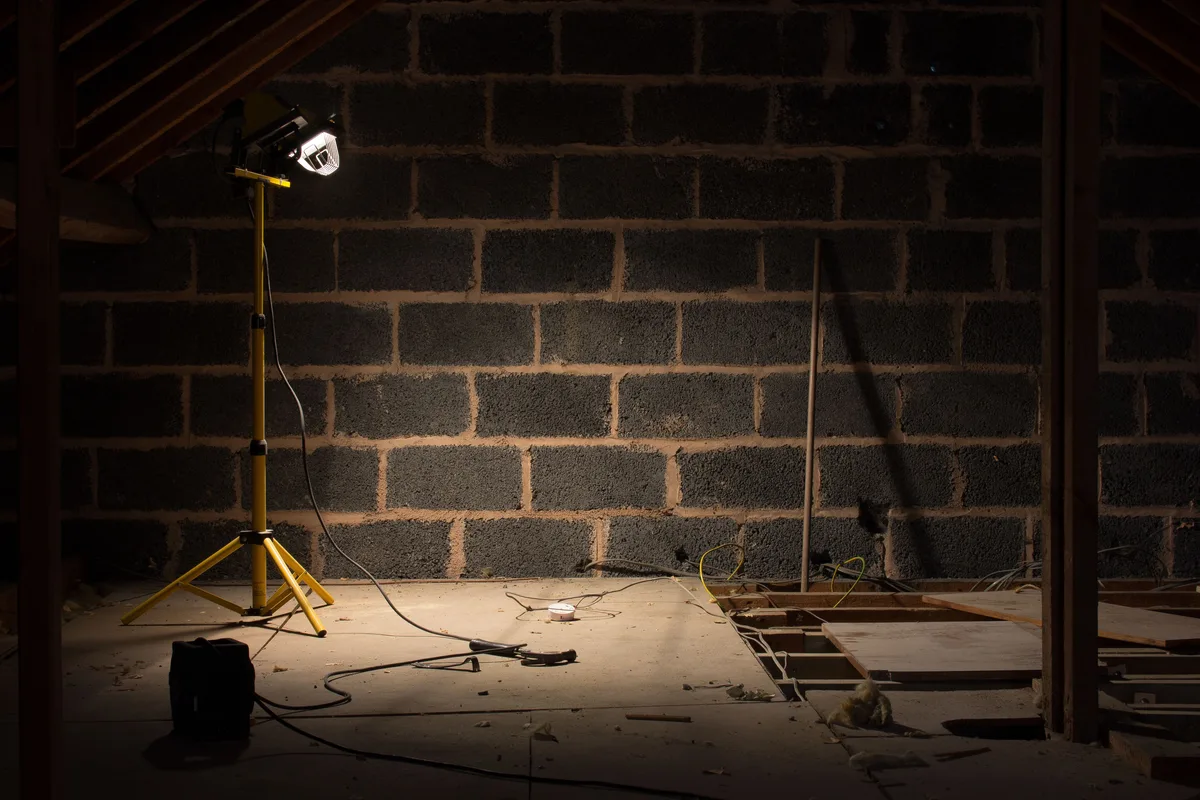
First, What the Sound Is Telling You
Attic noises follow a pattern, and the pattern is the first evidence. Light scratching and scurrying that starts at dusk usually means mice. A heavier thump, or gnawing you can hear through the ceiling, points to rats. Rolling sounds, like something moving a nut across the joists, are a classic sign of animals working in the insulation. Note the times: rodents keep hours, and a noise that runs from 10 p.m. to 2 a.m. is a timetable the inspection can use.
Do Not Go Up There at Night
An attic in the dark, with an animal cornered in it, is not the place for a household investigation. Nothing you could see at midnight is worth a foot through the ceiling or a frightened rat at close quarters. Wait for daylight, and even then, a look from the hatch with a strong torch, without stepping off the boards, is as far as self-inspection should go. The full read belongs to someone who does it weekly.
Check the Rooms Below Instead
The useful evidence is downstairs. Look for droppings along the walls of the rooms under the noise, check the tops of cupboards and the pantry, and notice any new musky smell in a closed room. Photograph what you find with something in frame for scale. Droppings identify the species by size before anyone climbs a ladder, and a dated photograph is genuinely useful evidence a week later.
Listen for the Pattern, Not Just the Noise
Write down three things over two or three nights: when the sounds start, where in the house they are loudest, and whether they follow the heating coming on. That last point matters: heat ducts ticking and expanding can imitate scratching, and plumbing has its own repertoire. Rodents are distinguished by movement: the sound travels, pauses, and travels again, along a line, which pipes and ducts never do.
Keep Food From Becoming the Second Problem
While you wait for the visit, remove the invitations at ground level. Pet food into sealed containers, bird seed out of the garage's open bags, and the fruit bowl is fine but the pantry's torn packaging is not. You are not solving the attic problem from the kitchen; you are making sure the colony's food route does not grow while its removal is arranged.
What the Inspection Will Do
The inspection starts with your notes and works upward: the rooms below for droppings and runs, the attic itself for nesting, tunnels in the insulation and the droppings along the joists, and then the roofline for the entry daylight. You get the findings in plain terms: what is up there, how it is getting in, and a written quote for clearing and sealing it, before any work is agreed.
Why Sealing Is Half the Answer
Households often ask for the animals gone and leave the holes for later. Later is when the next colony moves into a warm attic that still smells of the last one. The entry points, a soffit gap, an unscreened vent, a gnawed eave, are sealed as part of the same job, in mesh and flashing, because an attic cleared and left open in November is usually occupied again by January.
What About the Insulation?
A colony that has been overhead for a season leaves tunnels, droppings and urine through the insulation along its runs. Light marking can be sanitized in place. Soaked or heavily tunnelled sections are a replacement conversation, quoted by area as their own line, and it is a fair question to ask any professional to show you the evidence before that line is agreed.
Tell the Professional What You Noticed
Everything you noted is worth saying on the call, in the order you noticed it: when the sounds started, which room they sit over, what the droppings looked like and where. Homeowners sometimes apologise for this detail, as if it were fussiness. It is the opposite: it is the first half of the inspection, done by the only person who was there when the attic started talking.
Keep the Notes for Next Time
The households that handle rodents best are not luckier; they keep the record. The date of the work, the entry points sealed, the photographs and the quote, filed together, turn the next attic noise from a mystery into a maintenance question. Houses outlast memories, and the file is what lets the house's history speak for itself.
When to Stop Listening and Start Acting
One quiet night proves nothing; colonies rest between rounds. Judge by the week, not the night. If the sounds return, or droppings appear under the attic hatch, the question has answered itself and the inspection should happen before the colony grows again.
About These Notes
These notes are published by Crossroads Rodent Pros, an introduction service for rodent removal in Terre Haute, Indiana. They are general guidance, not a quote: your house's numbers come from an inspection and a written quote, which one call arranges. They are written from the calls Terre Haute households actually make each fall, and they are updated as the materials, the methods and the questions change.
Signs in Your Own House?
Call +1 (844) 468-2611 and speak directly with a Terre Haute pest professional about what you are seeing or hearing.
Available 24/7 · No forms, no call centre · The call goes directly to the professional